











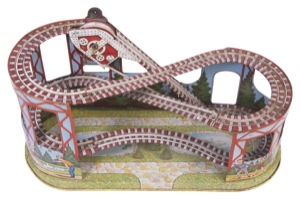
People are always talking about real estate, when to buy, when to sell, what’s up and what’s down. This is because the marketplace is ever fluctuating and goes up and down along with other economic factors. Supply and demand is a major factor: simply stated, when supply is greater than demand, prices fall and when demand is greater than supply, prices rise. The marketplace actually follows a cyclical pattern and it’s interesting and helpful to know how that works.
Let’s divide the market into four spots on the roller coaster: going up, up, going down and down. The first two come under the designation of an appreciating market and the latter, a depreciating one. Here’s how the ride actually occurs.
Starting in neutral (no such thing, but useful for this exercise) the market is going up. What that means is that we’ve come to a bottoming of the market, prices have dropped, and they are beginning to come up again. The main reason is that there is more demand than supply: construction has been almost nil, and people are beginning to have confidence to buy. The economy is recovering and this promotes an increased demand for properties. This is an excellent time to buy, as prices for real estate are continuing to go up.
Next we are coming into the expansion zone. Construction is up because of the new demand, more people are working and there’s more money in the economy. Prices are going up. It’s in the early phase of this ride that you may see multiple offers on a property with buyers bidding prices up. You might call this a “boom” time or “seller’s market” until inevitably, prices reach a peak. This is an excellent time to sell if possible.
Since what goes up must come down, what happens next is that there is too much supply. Supply of properties is exceeding demand and now there are fewer potential buyers out there. Prices begin to fall, people begin making lower offers. This may also be accompanied by a lack of available financing or a rise in interest rates and as a matter of course, new construction will be falling off again.
Next stop is called “recession” during which there is almost no new construction, the economy is stalled, jobs decline and home prices plummet. The United States has been in a recession since about 2008 and we are now beginning to come out of it. As a result, the housing cycle has moved from the recession, down phase into the expansion, going up phase.
This pattern of boom and bust continues to repeat itself; we saw a severe downturn in the early 1990s and then a big boom in the mid-2000s, before we fell into a slump due to excesses, over-zealous borrowing and over-confidence in rising prices. The only way real estate prices could remain stable would be if supply and demand were in perfect equilibrium, which is nigh on impossible.
We all want to buy at the bottom and sell at the top but life circumstances don’t always make that feasible. Understanding how the process works, however, should explain why prices are what they are, and help you to make the best decisions and investments. In spite of the ups and downs, be advised that U.S. median home prices have climbed steadily up each decade, in spite of the down times. It’s just a matter of knowing about the ride and doing your best to jump in and out at the opportune moment. Del Phillips is a California Licensed Real Estate agent. He is a member of the National, California and San Diego Association of Realtors. You can reach Del at Ascent Real Estate at 619-298-6666 or at Del@DelPhillips.com DRE LIC #01267333.


